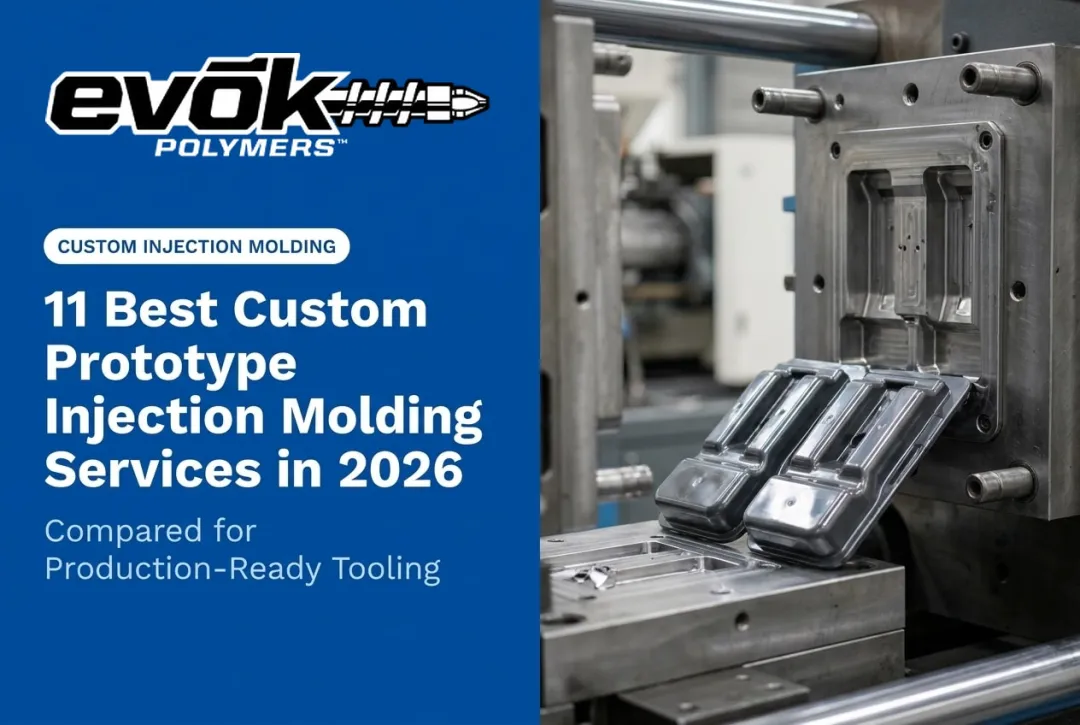
In today’s accelerated manufacturing environment, moving from a digital design to a physical prototype happens faster than ever. For engineers and product teams, choosing the best molded parts service for prototypes 2026 is a strategic call that shapes timelines, costs, and product success.
Prototyping now goes beyond visual models, it’s about validating materials, tolerances, and real-world performance early. With advanced automation and intelligent design analysis, top U.S. providers can deliver injection-molded prototypes in days.
This guide highlights 11 standout services helping teams test, refine, and launch with confidence.
Key Takeaways
Unlike 3D printing, prototype injection molding allows you to test the exact resin intended for final production.
Modern rapid tooling can deliver physical samples in as little as 1 to 5 business days.
Many prototype services use aluminum molds that can support low-volume production of up to 10,000 parts.
Leading providers offer automated Design for Manufacturability (DFM) feedback to identify issues like thin walls or improper draft angles early.
Look for companies that combine competitive pricing with deep engineering support to ensure your prototype performs as expected.
Before diving into the specific providers, it is important to understand the technical nuances that define a high-quality prototype service.
The Importance of Functional Prototyping in 2026
In 2026, the complexity of molded parts has increased significantly. High-performance polymers and intricate geometries require more than just a visual model.
Prototype injection molding provides a functional testbed where engineers can evaluate a part’s form, fit, and function under real-world conditions. This stage is critical for identifying potential failures that 3D printing might miss, such as material stress points or thermal expansion issues.
Using the best molded parts service for prototypes 2026 ensures that you are working with aluminum or soft steel molds that mimic production conditions. This rapid tooling approach allows for the use of actual engineering-grade resins, including glass-filled nylons, medical-grade silicones, and high-temperature thermoplastics.
By testing with the end-use material, you gain the data necessary to move into full-scale production with absolute confidence.
With the technical foundation in place, let's look at the top companies currently leading the US market for prototype services.
11 Best Custom Prototype Injection Molding Services
The following list represents the top-tier providers known for their speed, material selection, and technical expertise in the prototype phase.
1. Evok Polymers
Evok Polymers stands out as a premier provider for technical prototypes, particularly in the medical and aerospace sectors. As a specialized engineering firm, Evok focuses on providing a seamless transition from initial design to functional sample.
The company's US-based facility integrates advanced scientific molding with a team of material experts to solve complex molding challenges that standard shops often avoid.
The company is widely recognized for its personalized approach to engineering, where every prototype project undergoes a rigorous Design for Manufacturability (DFM) review. This ensures that the prototype is not just a copy of the CAD file, but a part optimized for production performance.
Specialties: Medical components, high-tolerance elastomers, and overmolded prototypes.
Why Choose Us: Deep technical expertise in material science and a focus on high-complexity parts.
2. Protolabs
Protolabs is the world's fastest manufacturer of custom prototypes. Founded in 1999 to solve the problem of traditional lead times, the company has grown into a global leader in rapid manufacturing.
They utilize a proprietary software-driven process that automates the milling of aluminum molds, enabling them to ship parts in record time. Their digital platform is the industry standard for rapid iterations where speed is the primary driver of the project.
Specialties: Rapid injection molding, CNC machining, and 3D printing.
Speed: Shipping options available for 1 to 15 business days.
3. Xometry
Xometry operates as a massive AI-driven marketplace, connecting engineers with a vetted network of over 10,000 partner manufacturers. This unique model allows them to offer immense capacity and a vast library of material options.
By leveraging a global network, they can provide highly competitive pricing and specialized services like insert molding or gas-assist molding through specific partner shops that have the exact equipment needed for the job.
Specialties: Platform-based sourcing, broad material access, and Master Unit Die (MUD) tooling.
4. Fictiv
Fictiv is a digital manufacturing platform designed to simplify the workflow from design to delivery. They provide an integrated experience that includes automated DFM and mold-flow simulations, giving engineers early insights into how a part will perform.
Fictiv's unique strategy allows core-and-cavity inserts to be started internationally and moved closer to the customer for final production, providing a secure and flexible supply chain.
Specialties: High-speed production, transparent pricing, and detailed design intelligence.
Suggested Read: Meet the Experts Behind Your Precision Projects
5. ICOMold
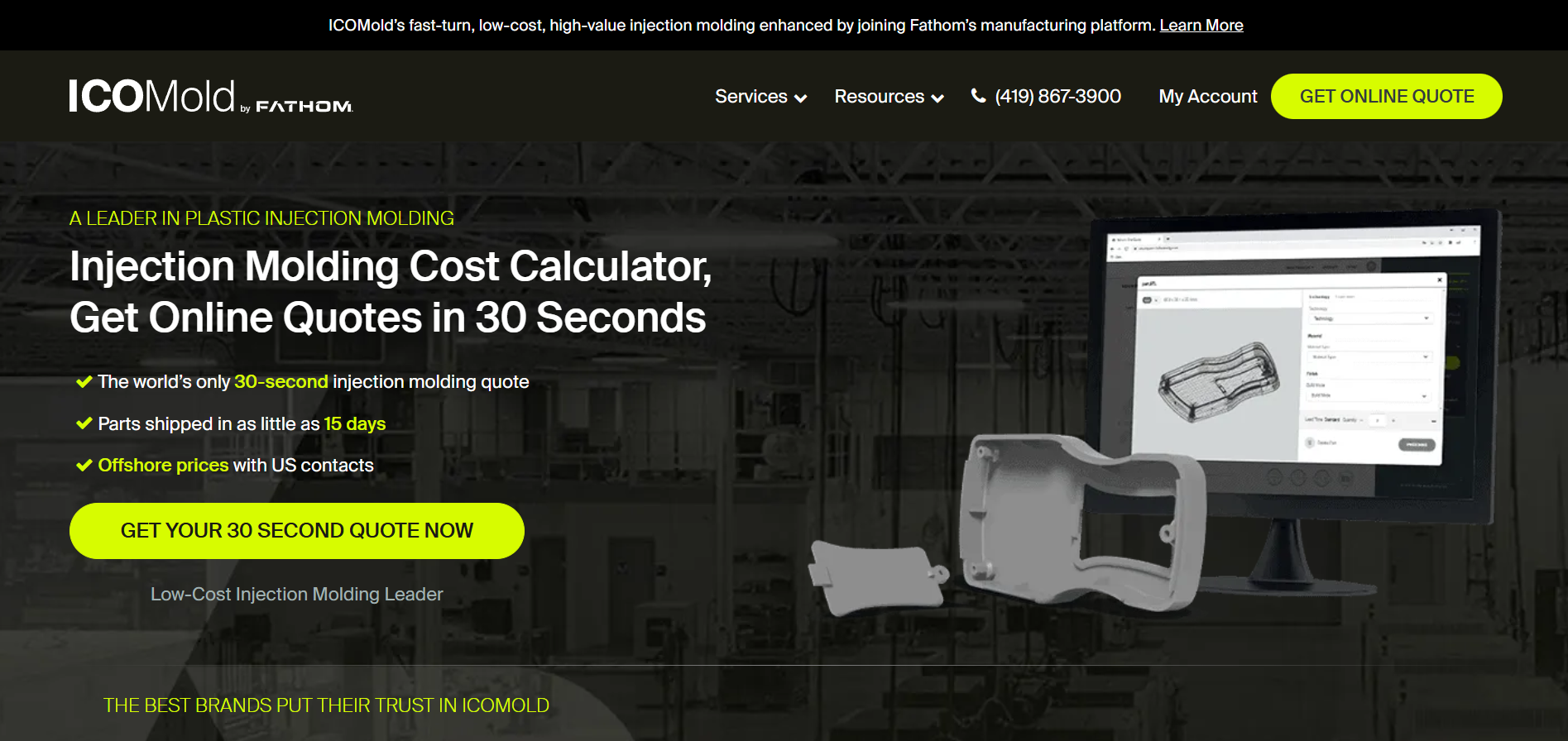
ICOMold, a division of Fathom, is known for its user-friendly digital quoting system and rapid mold capabilities.
They specialize in simplifying the tool-making process by using CNC-only machining for their rapid molds, which reduces the time and cost compared to traditional EDM methods.
They have built a reputation for helping startups and mid-market companies bridge the gap between initial prototyping and market testing.
Specialties: Quick-turn molds, family molds, and offshore/onshore production balance.
6. The Rodon Group
The Rodon Group is an American manufacturing institution that has produced billions of plastic parts since 1956. While famous for high-volume production, they have expanded their capabilities to include sophisticated 3D-printed and rapid-tooling prototypes.
Their focus on automation allows them to provide competitive domestic pricing for projects that plan to scale quickly after the prototype phase is validated.
Specialties: High-volume scalability, domestic supply chain security, and robotic production.
7. EVCO Plastics
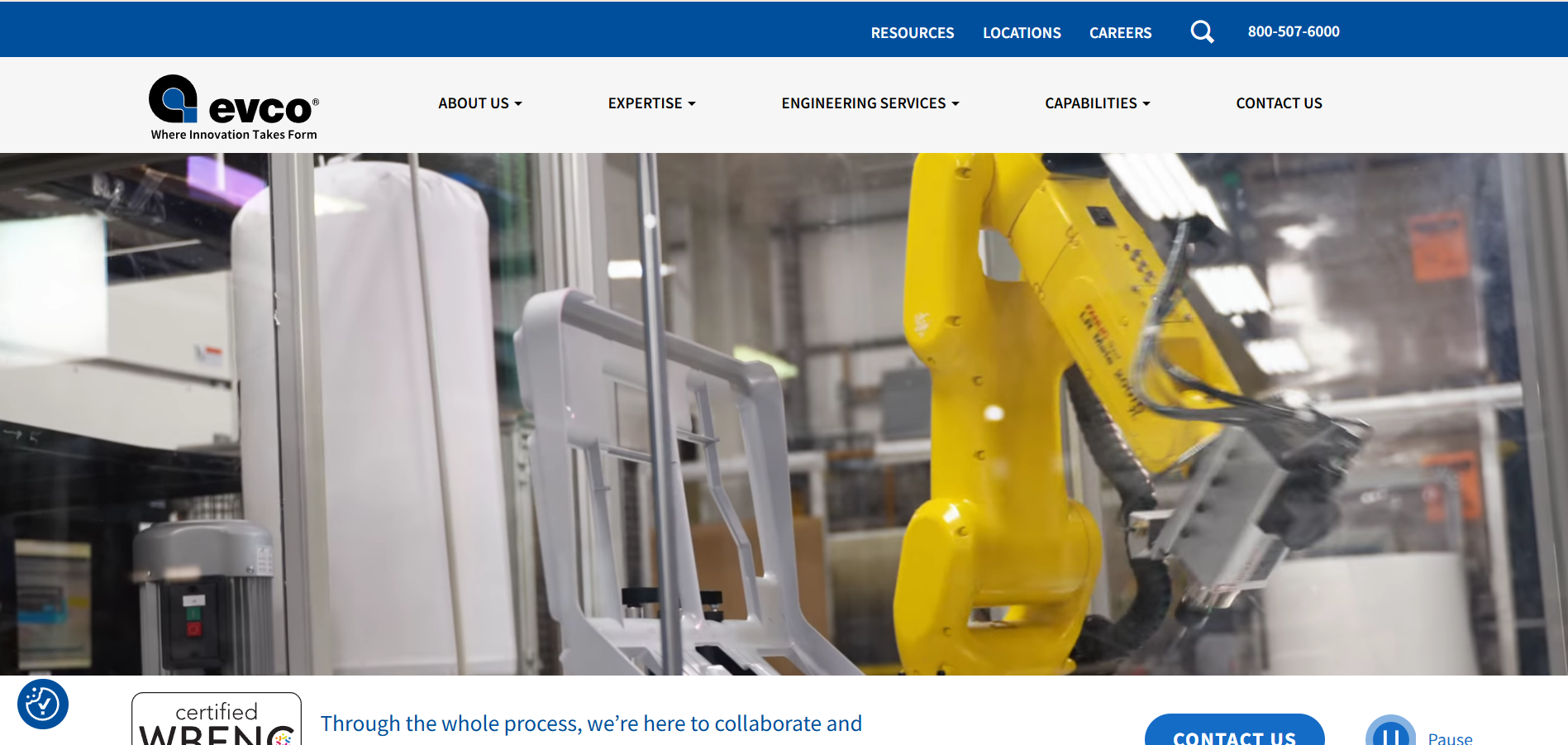
EVCO Plastics is a global leader that provides full-lifecycle support, from concept through large-scale assembly. They offer a full range of prototyping technologies, from traditional CNC machining to advanced additive manufacturing.
They are particularly skilled in large-scale prototypes and multi-cavity tool testing, making them a preferred partner for industrial, agricultural, and appliance applications.
Specialties: Large-part molding, metal-to-plastic conversion, and bridge-to-production strategy.
8. Empire Precision Plastics
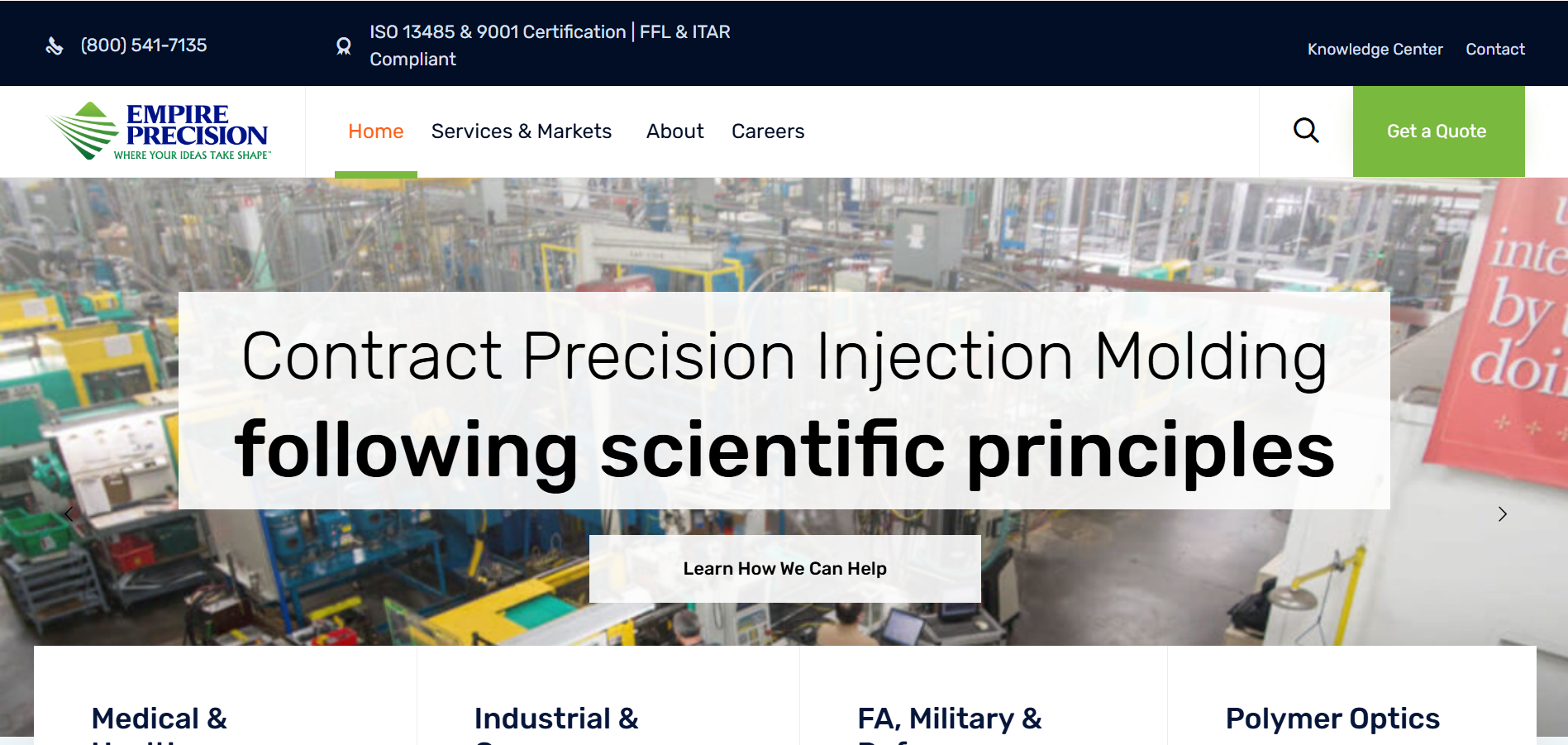
Empire Precision specializes in the intersection of optics and high-tolerance molding. Their facility in New York features an optics-dedicated cleanroom and advanced scientific molding equipment.
They are a top choice for medical devices and optical components where precision is non-negotiable, even during the prototype stage. They are known for their expertise in molding lenses, light pipes, and medical-grade transparent parts.
Specialties: Scientific molding, precision optical prototypes, and cleanroom assembly.
9. Nicolet Plastics
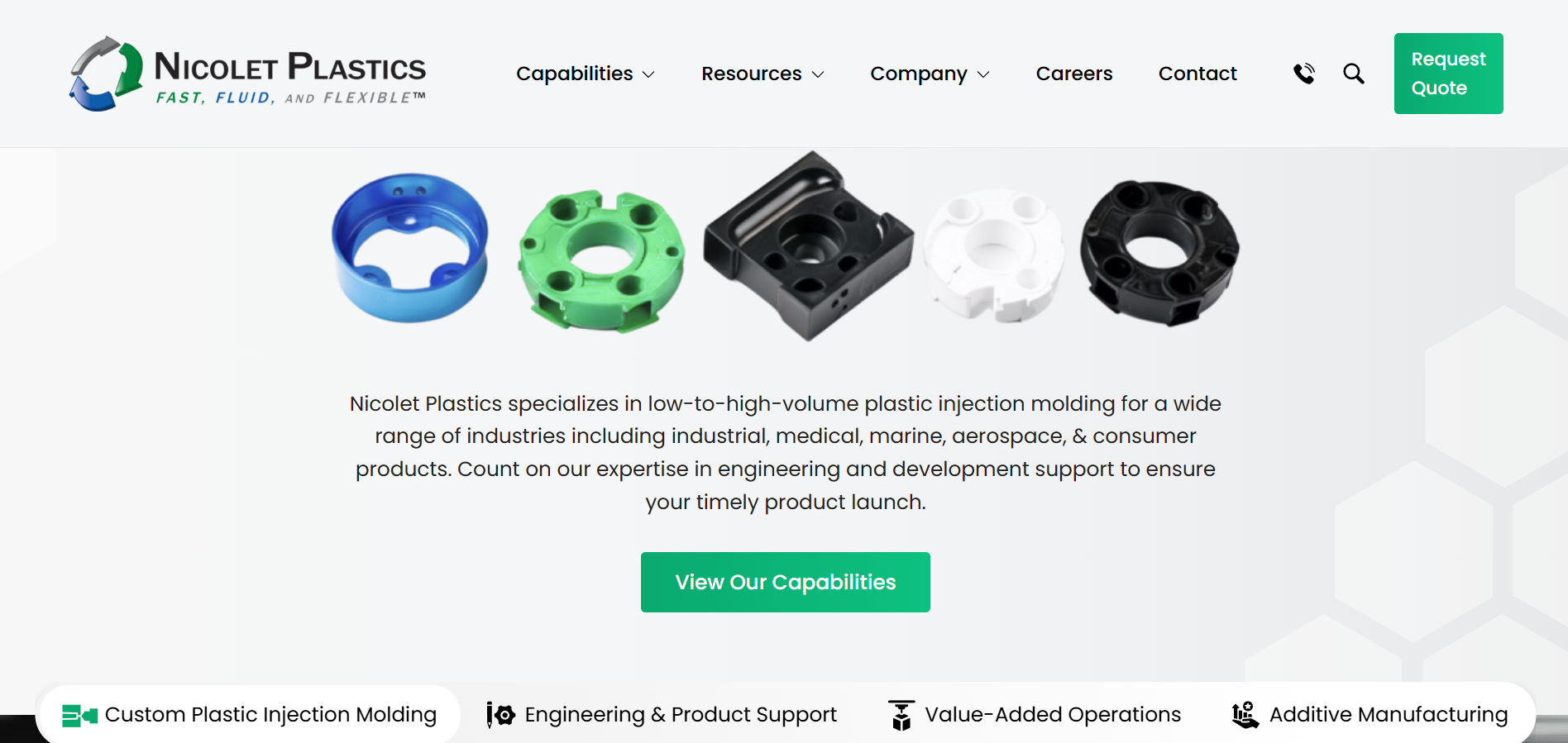
Nicolet Plastics excels in manufacturing programs with a high mix of complex parts and lower volume needs. They use a rapid response philosophy to help customers get to market faster with technical, engineering-grade plastic parts.
Their facility integrates both traditional molding and advanced additive manufacturing, allowing them to provide hybrid solutions that optimize the prototype phase for technical performance.
Specialties: Complex resins, rapid-response manufacturing, and high-mix production.
10. Seaway Plastics Engineering
Seaway Plastics Engineering offers extensive in-house tooling capabilities, which gives them significant control over the quality and lead times of their prototypes. With multiple facilities across the US, they provide a full turnkey solution that includes mold design, fabrication, and finishing.
They are a preferred partner for aerospace, defense, and medical projects requiring secondary operations like EMI/RFI shielding or medical-grade painting.
Specialties: Low-to-mid volume production, in-house tooling, and specialized secondary finishes.
11. MTD Micro Molding
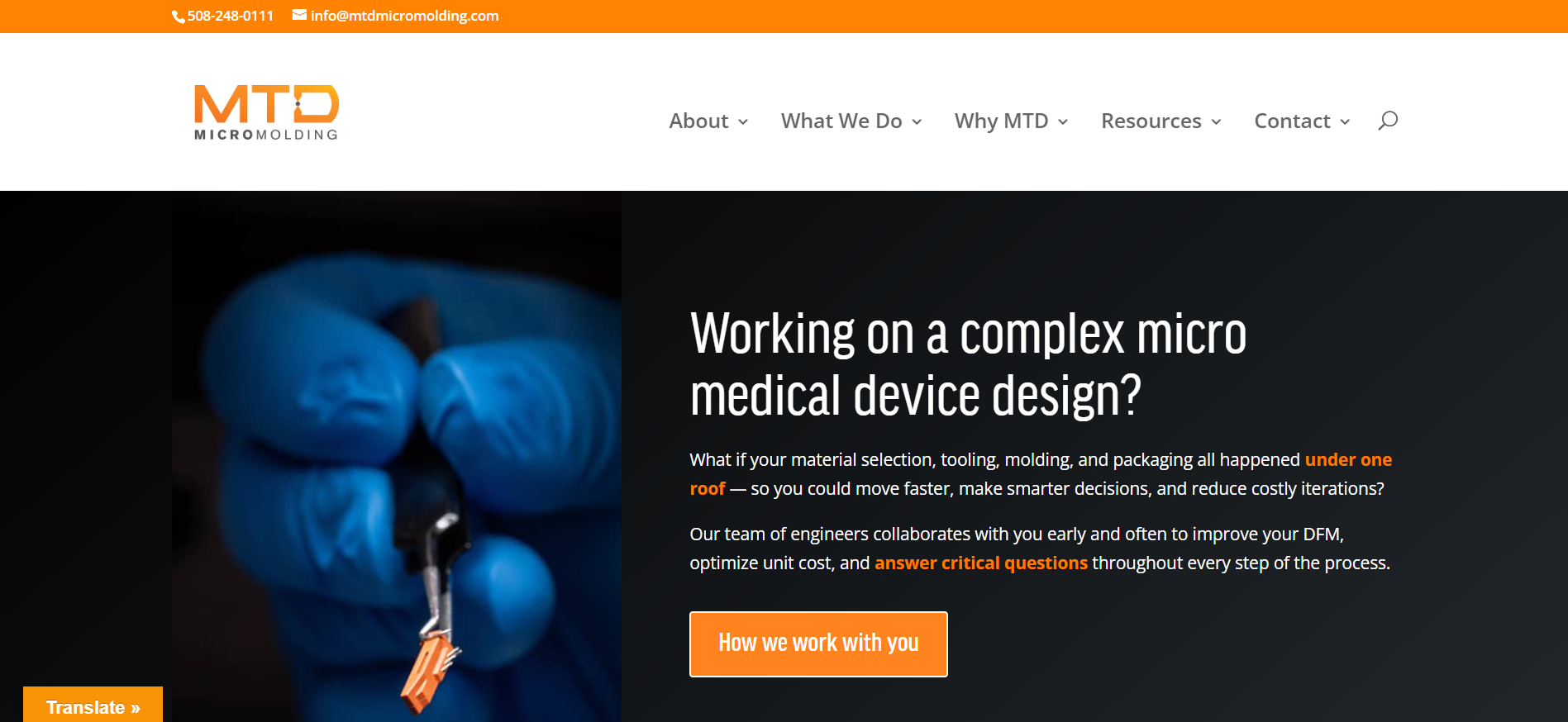
For projects involving extremely small or intricate parts, MTD Micro Molding is the world leader. They specialize in micro-injection molding for the medical industry, producing parts with features measured in microns.
Their expertise in bioresorbable materials and microfluidic channels makes them an essential partner for the most advanced medical innovations.
Specialties: Micro-molding, bioresorbable materials, and tiny medical implants.
Selecting the right partner from this list depends on your project’s specific technical requirements and production goals.
Things to Consider While Choosing the Best Custom Prototype Injection Molding Services
Choosing the right partner for your prototype phase can be the difference between a successful product launch and a costly failure.
In 2026, the marketplace is crowded, and choosing based solely on the lowest price can lead to significant delays and material failures. Here are the critical factors to evaluate:
1. In-House Engineering Depth
A great prototype service should act as an extension of your own engineering team. At Evok Poly, we believe that the best prototypes are born from a detailed, collaborative engineering service.
Instead of just running the CAD file exactly as received, we analyze the design for potential molding defects like sink marks, warpage, or flow lines. Working with a company that offers deep engineering consultation helps you catch these issues before they become permanent problems in your production tooling.
2. Material Availability and Specialty Knowledge
Prototyping is the time to test your functional materials. Ensure your chosen partner has a vast library of engineering-grade resins and experience handling them. This is especially vital for regulated industries like medical and aerospace.
At Evok Poly, we maintain a wide variety of specialized elastomers and high-performance thermoplastics, providing the data you need to ensure your part will survive the rigors of its end-use environment.
3. Rapid Tooling Flexibility
Check if the provider offers different grades of tooling. For a quick proof-of-concept, an aluminum mold might be sufficient. However, if you need 5,000 parts for market testing, a semi-hardened steel mold might be a better investment.
A flexible partner will provide options that match your specific volume and durability requirements without forcing you into an expensive production tool too early.
4. Quality Certifications and Traceability
In 2026, data is as important as the physical part. Your prototype service should provide detailed inspection reports and material certifications. For medical or defense projects, certifications like ISO 13485 or AS9100 are essential.
Ensure your partner has the quality management systems in place to provide full traceability for every resin pellet and every molding cycle, ensuring that your prototype results are scientifically valid.
Conclusion
Selecting the best molded parts service for prototypes 2026 is the foundation of a successful product launch. By choosing a partner that provides deep material expertise, rapid lead times, and automated design feedback, you can drastically reduce the risks associated with new product development.
Whether you need the extreme speed of a digital platform or the specialized engineering of a firm like Evok Polymers, the right provider will ensure your prototypes perform precisely as intended.
Ready to transform your complex design into a functional, high-performance prototype?
Request a Quote from Evok Polymers to receive an expert engineering review and see how our technical molding services can bring your project to life.
Frequently Asked Questions (FAQs)
1. Why should I use injection molding for a prototype instead of 3D printing?
While 3D printing is excellent for early visual models, injection molding allows you to use the actual production material. This is critical for functional testing, as 3D-printed parts often lack the strength, heat resistance, or chemical compatibility of molded parts.
2. How long does a prototype injection mold take to build?
In 2026, rapid tooling can be completed in as little as 2 to 10 business days. Using aluminum molds instead of steel significantly reduces the time needed for CNC milling and polishing.
3. What is the typical cost for a prototype mold?
The cost of a prototype mold generally ranges from $2,000 to $10,000 for most part geometries. This is an upfront investment, but it allows for the production of several thousand high-quality parts that can be used for clinical trials or market testing.
4. How many parts can I get from a prototype mold?
Molds made from high-grade aluminum or soft steel can typically produce between 5,000 and 10,000 parts. This makes them an excellent choice for bridge tooling while your high-volume steel production molds are being built.
5. Can I make design changes to the mold after it is built?
Small changes, such as removing material to make a wall thicker, are usually possible. However, reducing the thickness of a wall or changing the overall footprint usually requires a new mold or a significant rebuild of the tool.