What is the process of overmolding plastic?
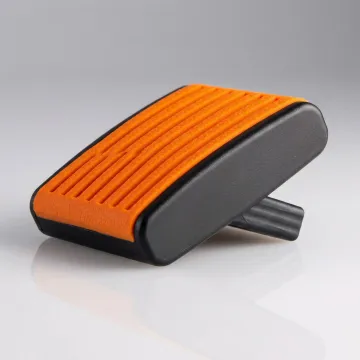
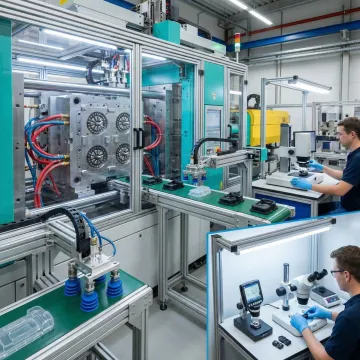
Overmolding is a two-stage injection molding process where a rigid plastic substrate is first molded, then a second material (typically a thermoplastic elastomer or rubber) is molded over or around it. The substrate can be placed manually or robotically into a second mold cavity, where the overmold material is injected. The materials bond through mechanical interlocking and/or chemical adhesion. Key success factors include proper material compatibility, substrate surface preparation, controlled temperatures, and optimized gate placement to ensure complete coverage and strong bonding without defects.
What are the rules for overmolding design?
Successful overmolding design requires several critical considerations: ensure material compatibility for chemical bonding, maintain consistent wall thickness in both substrate and overmold layers (typically 1-3mm), incorporate mechanical interlocks or undercuts for enhanced retention, provide adequate draft angles (minimum 2-3 degrees), design bonding surfaces with slight texture for improved adhesion, avoid sharp corners that create stress concentrations, plan gate locations to ensure complete material flow, and consider shrinkage differentials between materials. Always consult with your molding partner early in the design phase.
What is silicone over molding?
Silicone overmolding is a specialized process where liquid silicone rubber (LSR) is molded over a rigid plastic or metal substrate. Unlike thermoplastic overmolding, LSR requires vulcanization (heat curing) and typically uses specialized two-part dispensing systems. Silicone overmolding provides exceptional benefits including extreme temperature resistance (-60°C to +230°C), superior chemical resistance, biocompatibility for medical applications, soft-touch ergonomics, and excellent sealing properties. However, it requires primers or mechanical retention features since silicone doesn't chemically bond to most substrates like TPE materials do.
What materials can be overmolded together?
The most common overmolding combinations pair rigid substrates (ABS, PC, PC/ABS, Nylon, PP) with soft elastomers (TPE, TPU, TPV). Material compatibility is critical—the overmold material must either chemically bond to the substrate or rely on mechanical interlocking. Popular pairings include TPE over ABS for consumer products, TPU over PC for durability, and LSR over various substrates for medical devices. Our material selection experts analyze your specific requirements including bonding strength, flexibility, chemical resistance, and temperature performance to recommend optimal material combinations.
How much does overmolding cost compared to assembly?
Overmolding typically has higher upfront tooling costs (10-30% more than single-material molds) but significantly reduces per-part costs by eliminating assembly labor, adhesives, and mechanical fasteners. For production volumes above 10,000 units annually, overmolding usually becomes cost-effective. Additional savings come from reduced quality issues, faster production cycles, and improved product durability. We provide detailed cost analysis comparing overmolding to alternative joining methods, considering your specific volume, complexity, and quality requirements to determine the most economical solution.
Can you overmold over metal inserts or electronic components?
Yes, we specialize in insert overmolding for metal components, threaded inserts, electrical contacts, and electronic assemblies. The process encapsulates and protects inserts while providing mechanical retention, electrical insulation, and enhanced ergonomics. Critical considerations include insert placement accuracy (often robotic), mold design to prevent insert movement during injection, temperature management to protect sensitive components, and proper venting to avoid trapped air. We have extensive experience overmolding diverse insert materials including brass, stainless steel, aluminum, and PCB assemblies.
What is the typical lead time for overmolded parts?
Lead times vary by project complexity, but typically: prototype overmolded parts require 2-4 weeks, tooling design and fabrication takes 8-12 weeks for production molds, first article qualification adds 2-3 weeks, and production ramp-up spans 1-2 weeks. Overall, expect 12-16 weeks from design finalization to full production. We can accelerate timelines through rapid prototyping methods, parallel processing, and our extensive molder network. Our detailed project management keeps you informed at every milestone, and we identify opportunities to compress schedules without compromising quality.
How do you ensure consistent bond strength in overmolding?
We employ multiple quality control measures: material compatibility validation through bond strength testing, precise temperature control of both substrate and overmold materials, optimized injection parameters (pressure, speed, pack time), regular process monitoring with statistical process control, destructive testing of production samples to verify bond strength exceeds specifications, dimensional inspection to confirm complete material coverage, and comprehensive first article qualification with 30-point inspection of critical bonding areas. Our Six Sigma approach and continuous improvement mindset ensure repeatable, reliable bonding throughout production runs.