What does an injection molding engineer do?
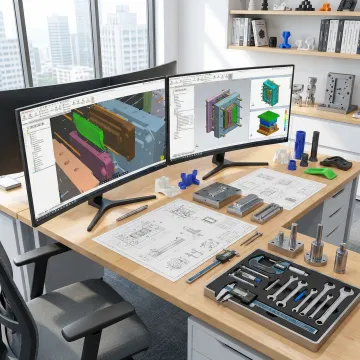
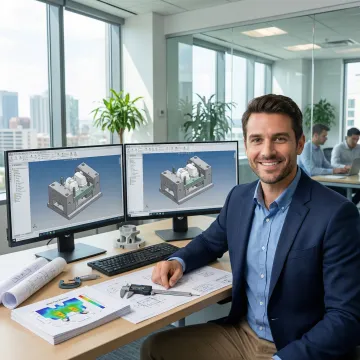
An injection molding engineer designs and optimizes plastic parts and molds for manufacturing. They review CAD files for moldability, conduct mold flow analysis, optimize gate and vent placement, select appropriate materials, and troubleshoot production issues. At Evok, our engineers also manage the complete development pipeline from concept feasibility through production qualification, ensuring parts meet performance specifications while minimizing cycle time and cost.
What is injection molding in engineering?
Injection molding in engineering is a manufacturing process where molten plastic material is injected into a precision-designed mold cavity under high pressure. Engineers design both the part geometry and the mold tooling, considering factors like material flow, cooling rates, shrinkage, tolerance requirements, and production efficiency. The engineering discipline encompasses CAD design, material science, thermal analysis, and process optimization to create high-quality plastic components at scale.
What qualifications do you need for injection molding?
Professional injection molding engineers typically hold a Bachelor's degree in Mechanical Engineering, Manufacturing Engineering, or related fields, with specialization in plastics engineering or materials science. Advanced qualifications include Six Sigma certification, experience with CAD software like SOLIDWORKS, knowledge of mold flow analysis tools, and practical experience in part design, tooling, and production processes. At Evok, our team brings 25+ years of hands-on expertise, multiple U.S. patents, and continuous training in the latest molding technologies.
How much do injection mold design services cost?
Injection mold design engineering costs vary based on part complexity, tooling requirements, and development scope. At Evok, we charge $110/hour for engineering and part design services. We provide transparent, itemized pricing that breaks down design modifications, mold flow analysis, prototype development, and tooling costs. Our upfront cost analysis helps you make informed decisions about design optimizations that can significantly reduce overall project expenses.
How long does the injection mold design process take?
The timeline depends on project complexity and development phase. Simple part design reviews and moldability modifications may take 1-2 weeks, while complete mold design for complex assemblies can require 4-8 weeks. Our comprehensive New Part Development Pipeline—from concept feasibility through production qualification—typically spans 12-24 weeks. We prioritize speed to market through cross-functional collaboration and continuous improvement processes.
What file formats do you accept for mold design engineering?
We work with all standard CAD file formats including SOLIDWORKS (preferred), STEP, IGES, Parasolid, and STL files. Our engineering team can review your existing 3D files for mold-ready modifications or create designs from scratch based on 2D drawings, sketches, or concept descriptions. We provide detailed redlining documentation showing recommended changes to improve moldability and reduce production costs.
Do you provide mold flow analysis as part of design services?
Yes, mold flow analysis is a critical component of our analytical testing services. We use advanced simulation software to predict material flow, identify potential knit line locations, optimize gate sizing and placement, assess cooling efficiency, and forecast cycle times. This analysis helps us modify designs to minimize sink marks, warpage, and other molding defects before committing to expensive production tooling.
Can you help with material selection for injection molded parts?
Absolutely. Material selection is integral to our comprehensive engineering approach. Our team navigates material and texture science to recommend the optimal resin based on your part's functional requirements, environmental conditions, cosmetic needs, and cost targets. We consider factors like mechanical properties, chemical resistance, FDA compliance, UV stability, and processing characteristics to ensure successful molding and long-term part performance.